

Eating well isn’t just about filling the stomach, but it’s about fueling the mind and body consistently. While many people look for tasty and practical meal ideas for remote workdays to keep life convenient, certain foods should appear on the plate each day. These essentials help regulate energy, improve focus, and maintain long-term health.
Vegetables for Vitamins and Fiber

Vegetables are the backbone of any healthy meal. They bring vitamins, minerals, and antioxidants that keep the immune system strong. Fiber also plays a huge role by supporting digestion and helping control hunger. A colorful plate is a simple way to check if you’re getting enough variety. Mixing raw, roasted, or lightly steamed vegetables keeps meals interesting. Broccoli, carrots, spinach, and bell peppers are easy options that add both crunch and nutrition. By making vegetables the base instead of the side, you build a habit of prioritizing foods that work hardest for your health.
Lean Proteins for Muscle and Recovery
Protein is the building block for tissue repair, muscle maintenance, and even hormone balance. Including lean proteins like chicken, fish, tofu, beans, or eggs in every meal provides a steady stream of nutrients. This keeps you satisfied longer and prevents the crash that often comes from carb-heavy meals alone. Protein choices don’t need to be complicated. A boiled egg with breakfast, grilled salmon for lunch, or lentils with dinner all provide quality nutrition. Even snacks like Greek yogurt or hummus can top up protein levels in an easy way. Regular intake helps the body stay strong and recover from daily wear and tear.
Healthy Fats for Brain and Heart
Fats aren’t the enemy; the type of fat matters. Healthy fats from sources like avocados, olive oil, nuts, and seeds help support brain function and cardiovascular health. They also make meals more satisfying, adding texture and flavor that other nutrients can’t provide. Incorporating these doesn’t take much effort. A drizzle of olive oil on vegetables, a handful of walnuts as a snack, or sliced avocado on toast all work. Balanced intake of healthy fats helps maintain concentration and energy throughout long work hours.
Whole Grains for Lasting Energy
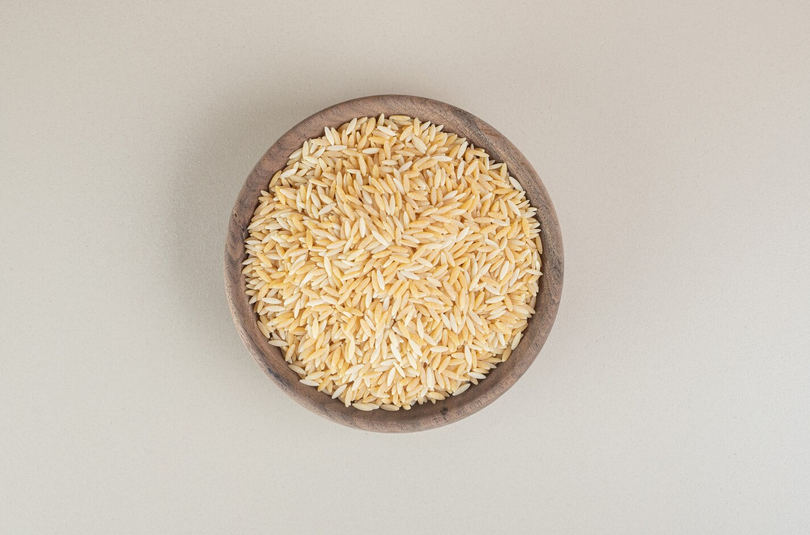
Carbohydrates are often blamed for fatigue, but the right kinds are essential. Whole grains like oats, quinoa, brown rice, or whole wheat bread release energy slowly, keeping blood sugar stable. This helps avoid that mid-afternoon slump many remote workers dread. The key is to swap refined grains for whole ones whenever possible. A bowl of oatmeal in the morning or whole-grain pasta at dinner provides more fiber, more nutrients, and better satiety. It’s fuel that keeps the body running at a steady pace instead of spiking and crashing.
Hydration Through Water and Fresh Foods
While technically not a “food,” hydration is essential for a healthy plate. Water supports nearly every bodily function, and dehydration often masquerades as fatigue or brain fog. Pairing meals with water, herbal teas, or water-rich foods like cucumbers and oranges helps keep the body balanced. A healthy plate isn’t …