

Balancing work, family, and personal obligations often leaves little room for exercise. Many people believe that meaningful results require long hours at the gym. The truth is different. Effective workouts can be adapted to fit even the busiest schedules to improve your well-being. You can achieve it with the help of this collection of simple health hacks to make the process easier. What matters most is how you use your time, not how much of it you have. With the right strategies, you can stay fit and strong without compromising other responsibilities.
Prioritize Consistency Over Duration
 When life feels overwhelming, committing to short, consistent workouts is more effective than long, infrequent sessions. Ten to twenty minutes of movement daily can build strength and endurance if done with focus. This approach lowers the barrier to starting because you do not need large blocks of free time. Over weeks and months, consistency produces better results than sporadic, intense efforts. Even with a demanding lifestyle, carving out short moments makes fitness sustainable.
High-Intensity Intervals for Maximum Impact
High-intensity interval training, often called HIIT, is one of the most efficient ways to exercise with limited time. By alternating short bursts of effort with brief rest periods, you can achieve cardiovascular and strength benefits in a fraction of the time. For example, a 15-minute circuit of squats, push-ups, and sprints can outperform a slow 45-minute jog. The unique advantage of HIIT lies in its ability to raise metabolism for hours after the workout ends. For busy people, that efficiency is invaluable.
Strength Training Made Simple

Strength training does not require complex equipment or lengthy sessions. Bodyweight movements like planks, lunges, and push-ups can be done at home or even in the office. Resistance bands or small dumbbells add variety without needing a full gym. Two or three short strength sessions per week are enough to maintain muscle, improve posture, and protect long-term health. Simplifying the process makes it easier to stick with and ensures results despite limited time.
Integrate Movement Into Daily Life
Workouts do not always need to be separate events. Movement can be woven into your daily routine. Taking the stairs instead of the elevator, walking during calls, or stretching between tasks all add value. These small adjustments may seem insignificant, but they accumulate over time. They also help break up long periods of sitting, which is harmful to health. By viewing movement as part of daily living rather than an isolated activity, you expand your opportunities to stay active.
The Role of Recovery in Busy Schedules
Busy lifestyles often mean less sleep and higher stress, which can undermine progress. Recovery is as important as exercise itself. Quality rest allows muscles to repair and energy levels to restore. Skipping recovery leads to fatigue and reduced performance. Even if time is short, creating a consistent sleep schedule and practicing stress management techniques helps the body adapt. Paying attention to recovery ensures that your efforts produce results rather than setbacks. Without it, training loses much of its effectiveness.
How to Stay Motivated Through Realistic Goals
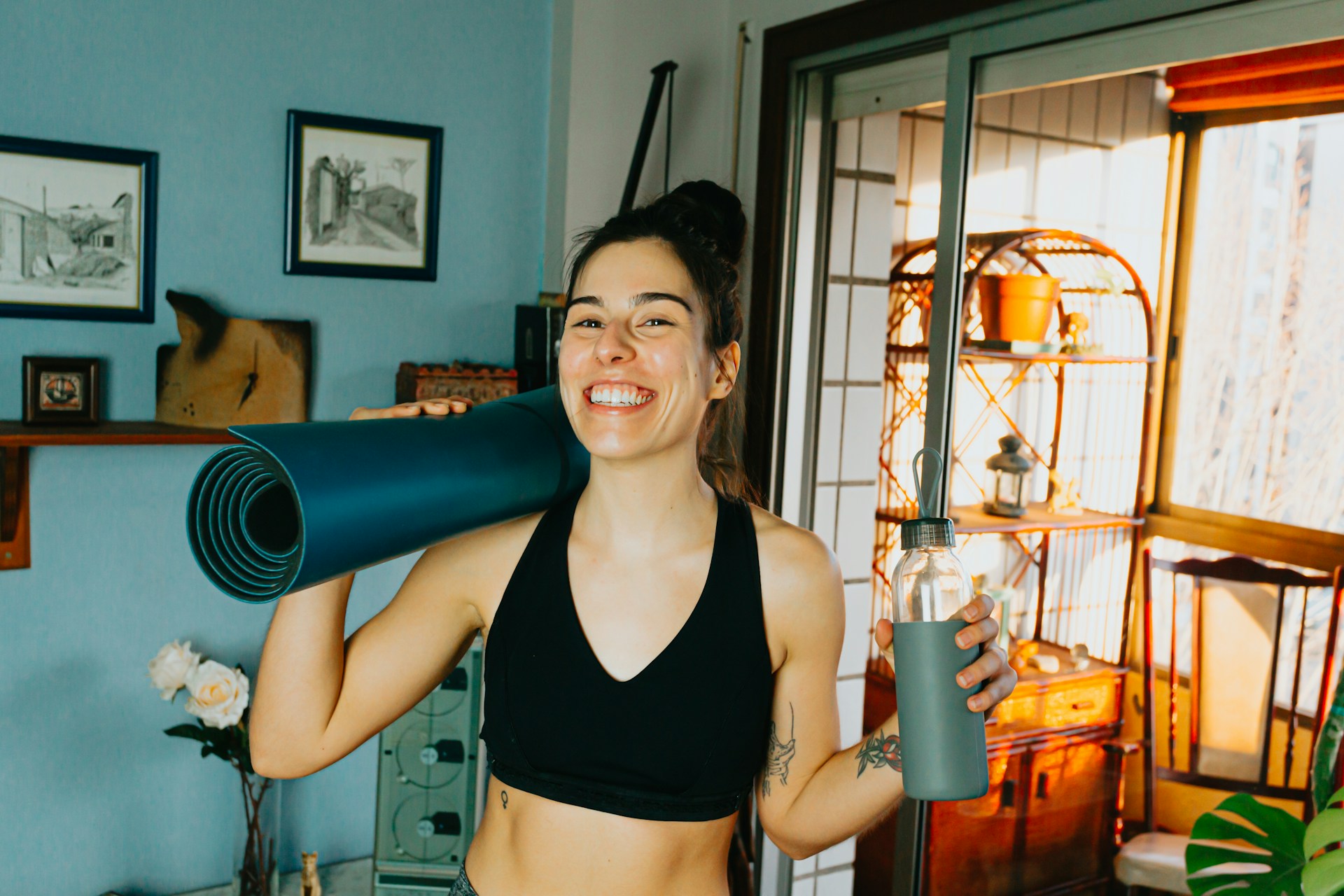 Motivation tends to fade when goals are unrealistic or progress feels slow. Setting achievable targets keeps you engaged. Instead of aiming for hours of exercise each week, focus on completing three short sessions. Celebrate small wins like finishing a workout despite a hectic day. These moments reinforce the habit and keep you moving forward. Remember that progress is not measured only by time spent but by consistency and effort. Having a plan that fits your lifestyle creates the utmost chance of long-term success.
The goal is not perfection but sustainability. A workout plan that aligns with your lifestyle is easier to maintain. Choose activities you enjoy, whether that is dancing, cycling, or short strength circuits. Flexibility matters. Some weeks will allow for more exercise and others less, and that is acceptable. What matters most is keeping movement a regular part of life. Over time, these habits form a foundation of health and resilience. With thoughtful adjustments, fitness can thrive alongside even the busiest schedule.